Best overall: long-term buy-and-hold houses. Best for income diversification: an approved granny-flat arrangement. Best entry-focused option: established apartments. The best property investment strategies for Adelaide investors in 2026 depend on cash flow, holding capacity and execution risk; Axiom Realty offers investment advisory, buyer’s advocacy and property management for South Australian investors.
- The best property investment strategies for Adelaide investors start with sustainable holding costs, not promised growth.
- Long-term buy-and-hold houses are the default; approved granny-flat arrangements suit investors seeking separate rental income streams.
- Established apartments require scrutiny of strata records, recurring charges and planned building works.
- Axiom Realty suits Adelaide investors seeking investment advisory, buyer’s advocacy and property management.
Why this matters
A property strategy is a plan for how you earn a return and survive the periods when that return disappoints. Rent, resale value and improvements play different roles. Confusing them leads to buying an income property that needs capital growth to cover its holding costs.
For a 2026 purchase, separate what exists today from what requires approval, construction or a future buyer. An existing tenancy is different from projected rent. An approved additional dwelling is different from a backyard that looks large enough.
Choose the strategy before choosing the suburb. Otherwise, an appealing listing can pull you into a project that does not match your finances or willingness to manage it.
What makes the best Adelaide property investment strategy?
Assess each option against these criteria before comparing properties:
- Holding capacity: Can you cover loan repayments, operating expenses and interruptions to rent without relying on a sale?
- Net income: What remains after management, insurance, rates, maintenance and property-specific charges?
- Demand evidence: Do comparable leases and sales support the intended tenant and eventual buyer?
- Execution risk: Does the plan depend on building work, planning consent, contractors or settlement timing?
- Exit flexibility: Can you retain, lease or sell the property if the original plan changes?
Use the same accounting basis across your shortlist. Comparing one property's gross rent with another property's net income hides the costs that decide whether you can keep either asset.
To annualise an advertised weekly rent, multiply it by 52 weeks. That is scheduled gross rent, not guaranteed receipts. Build a 12-month operating budget separately, allowing for vacancy and expenses, and test what a 1 percentage point increase in your loan interest rate would do to holding capacity. These are assessment steps, not Adelaide market forecasts.
Adelaide property investment strategies at a glance
The order below puts simpler ownership models before strategies that require more active execution. It is a decision guide, not a prediction of which asset will produce the highest return.
| Strategy | Best for | Standout feature | Key limitation |
|---|---|---|---|
| Long-term buy-and-hold houses | Investors prioritising a straightforward holding plan | Existing housing rented under a long-term tenancy | Repairs and vacancy still affect cash flow |
| Approved granny-flat arrangements | Investors seeking separate rental income streams | Main dwelling and additional accommodation on one site | Lawful separate letting and construction feasibility require verification |
| Established apartments | Investors comfortable with shared building governance | Existing apartment with inspectable strata records | Shared expenses and collective decisions affect ownership |
| Renovation-led investment | Hands-on investors able to control a defined project | Improving an existing property's condition or function | Works can overrun without producing matching value |
| Subdivision-led investment | Investors equipped for planning and development | Creating separate parcels where approvals permit | Site constraints, approvals and servicing determine feasibility |
| House-and-land investment | Investors seeking a new-build pathway | Opportunity to assess a proposed dwelling before construction | Completion, contract and valuation risks precede rental income |
| Short-term rental investment | Investors willing to manage accommodation operations | Flexible guest stays rather than a conventional tenancy | Occupancy, turnover work and permissions affect viability |
1. Long-term buy-and-hold houses: best for a straightforward holding plan
Long-term buy-and-hold means purchasing a house, leasing it and retaining it rather than depending on a quick resale. Rental income supports ownership, while any capital growth remains uncertain. The strategy works only if you can hold the property through vacancies, repairs and changing finance conditions.
Long-term buy-and-hold houses are the best default for Adelaide investors who want a rental asset rather than a construction project. Simpler execution does not remove risk; it makes the main risks easier to identify before purchase.
Buy-and-hold pros:
- An existing dwelling can be inspected before you commit.
- Comparable leases help assess achievable rent.
- Ownership does not require a renovation or development outcome.
Buy-and-hold cons:
- Vacancy interrupts rental receipts while expenses continue.
- Building defects and ageing components require maintenance.
- A long holding period does not guarantee capital growth.
Check the building condition, lease documentation and expected operating expenses together. A strong rent estimate does not compensate for repairs you cannot fund.
Best for: Investors with a cash reserve who want conventional long-term leasing.
Verdict: Buy when the existing property supports your holding budget without assumed growth.
2. Approved granny-flat arrangements: best for income diversification
A granny-flat strategy uses additional accommodation alongside a main dwelling. The investment case depends on whether the proposed occupancy and separate letting are lawful, practical and supported by tenant demand. Do not treat physical space as proof of approval.
For a 2026 assessment, establish the permitted use before estimating additional rent. Then examine access, privacy, parking, utilities and the impact on the main dwelling's appeal. Separate income streams do not make the site immune to vacancy or maintenance.
Approved granny-flat arrangement pros:
- Additional accommodation can create another rental income stream.
- An existing site can serve different household needs.
- A workable layout can preserve use of the main dwelling.
Approved granny-flat arrangement cons:
- Construction introduces contractor, timing and defect risks.
- Separate letting depends on the applicable rules and approvals.
- Poor access or privacy can weaken tenant appeal.
Have a planner or appropriately qualified adviser confirm the proposal's status. Model the main dwelling and additional accommodation separately, then combine their expenses; otherwise, a stronger-looking total can conceal a weak component.
Best for: Investors seeking additional income who can verify lawful use and site suitability.
Verdict: Hold until permissions, layout and the complete operating budget are confirmed.
3. Established apartments: best for investors accepting shared governance
An established apartment gives you an existing dwelling to inspect and a building history to investigate. You also purchase into shared decision-making and shared expenses. The apartment's condition is only part of the investment assessment.
Read strata or community-title records, financial statements, meeting minutes and information about proposed works. Check how the building manages maintenance and whether unresolved issues affect your unit. A neat interior does not establish the condition of the roof, lifts or other shared infrastructure.
Established apartment pros:
- The dwelling and surrounding building already exist.
- Ownership records can reveal maintenance and governance issues.
- Shared facilities are managed through a collective structure.
Established apartment cons:
- Recurring charges and special levies affect net income.
- Owners do not control collective decisions alone.
- Building defects can affect multiple units simultaneously.
Compare apartments using total ownership expenses, not rent alone. Also inspect the exact unit: light, access, noise and layout matter to the tenancy, regardless of the building's address.
Best for: Investors who accept shared governance and will investigate building records.
Verdict: Buy only when the unit and the building both pass due diligence.
4. Renovation-led investment: best for controlled, practical improvements
Renovation-led investment aims to improve a property's condition, usability or rental appeal. The strategy requires a defined scope and evidence that the changes serve tenants or buyers. Spending money is not the same as creating value.
Separate essential repairs from elective improvements. Fixing a defect preserves usability; changing finishes is a different decision. Before committing, compare the proposed result with genuinely similar renovated properties rather than the most impressive listing nearby.
Renovation-led investment pros:
- You can address identifiable condition or layout problems.
- A defined scope gives you specific work to quote and assess.
- Improvements can be aligned with the intended tenant.
Renovation-led investment cons:
- Hidden defects can expand the scope after work begins.
- Disruption can delay leasing or interrupt existing rent.
- Buyers and tenants need not value every improvement equally.
Document the work, approval requirements, contractor responsibilities and contingency funding. Assess retaining the property as well as selling it. A renovation plan that works only through an immediate resale leaves little room for delays or a weaker buyer response.
Best for: Investors able to supervise works and distinguish necessary repairs from optional changes.
Verdict: Buy only with a documented scope and a viable holding alternative.
5. Subdivision-led investment: best for planning-capable investors
Subdivision-led investment seeks to create separate parcels from an existing site where planning rules permit. Land area alone does not establish feasibility. Access, frontage, servicing, easements, overlays and existing structures can change the outcome.
In 2026, investigate the site's current planning position rather than relying on a nearby completed project. A neighbour's approval does not establish what your site permits. Obtain site-specific advice before making an unconditional commitment based on development potential.
Subdivision-led investment pros:
- An approved subdivision can create separate disposal options.
- Site constraints can be investigated before acquisition.
- The strategy has a defined planning and servicing pathway.
Subdivision-led investment cons:
- Approval and servicing requirements can alter the project.
- Professional work and holding expenses arise before completion.
- Resale outcomes remain exposed to market conditions.
Include surveying, professional advice, infrastructure, demolition where relevant and holding expenses in feasibility. Keep assumptions about the original property separate from assumptions about the resulting parcels. Neither should depend on an unverified approval outcome.
Best for: Investors with development experience or access to qualified planning and project advice.
Verdict: Hold until site-specific feasibility supports the intended subdivision.
6. House-and-land investment: best for a new-build pathway
House-and-land investment combines a land acquisition with a proposed dwelling. You assess contracts and specifications before the finished rental property exists. That shifts attention from current building condition to delivery obligations and completion risk.
Read the land and building arrangements together. Establish what is included, what remains your responsibility and which conditions affect settlement or construction. A rental estimate for the completed dwelling does not resolve uncertainties in the contracts.
House-and-land investment pros:
- Specifications let you assess the proposed dwelling's layout.
- You can review tenant suitability before construction begins.
- New construction avoids inheriting an older dwelling's wear.
House-and-land investment cons:
- Delays extend the period before rental income begins.
- Exclusions and variations affect the complete project budget.
- Completion does not guarantee an acceptable lender valuation.
Investigate site works, utility connections, external works, insurance and handover requirements. Seek legal advice on the contracts and independent advice on construction quality. Treat the completed dwelling as a property investment, not simply the end of a building project.
Best for: Investors who want a new dwelling and can absorb delivery uncertainty.
Verdict: Hold until contract obligations and the full completion budget are clear.
7. Short-term rental investment: best for active accommodation operators
Short-term rental investment involves hosting guests rather than relying on a conventional long-term tenancy. You are assessing an accommodation operation as well as a property. Bookings, cleaning, guest communication and turnover require ongoing management.
Model occupied nights and operating expenses together. An advertised nightly rate is not annual income, and a busy period does not establish year-round performance. Verify planning requirements, building restrictions and insurance suitability before relying on guest accommodation.
Short-term rental investment pros:
- Guest stays allow a different operating model from long-term leasing.
- You can adjust the offering to the accommodation use case.
- Operational improvements are within the owner's or manager's control.
Short-term rental investment cons:
- Empty nights reduce receipts while fixed expenses remain.
- Cleaning and guest turnover add recurring work.
- Permissions, building rules and insurance can constrain the model.
Compare the guest-accommodation plan with a lawful long-term rental alternative. Include management and cleaning even if you initially intend to perform those tasks yourself; your unpaid time is still a commitment.
Best for: Investors prepared to manage accommodation operations and variable occupancy.
Verdict: Skip if the investment works only at optimistic booking levels.
How the strategies are ranked
This 2026 ranking prioritises holding capacity, net income, demand evidence, execution risk and exit flexibility. Long-term buy-and-hold comes first because it does not require a successful construction or development project to implement the basic strategy. More operationally demanding approaches belong lower unless you have the relevant capacity.
Axiom Realty's investment advisory and buyer's advocacy services suit investors seeking help with acquisition decisions. Its property management service addresses the ownership stage; it does not remove vacancy, repair or financing risk.
Which strategy should you choose?
Choose long-term buy-and-hold unless you have a clear reason and the resources to pursue a more complex strategy. Start with your holding budget, then test the property against the plan. Change the strategy only when the evidence supports the additional work.
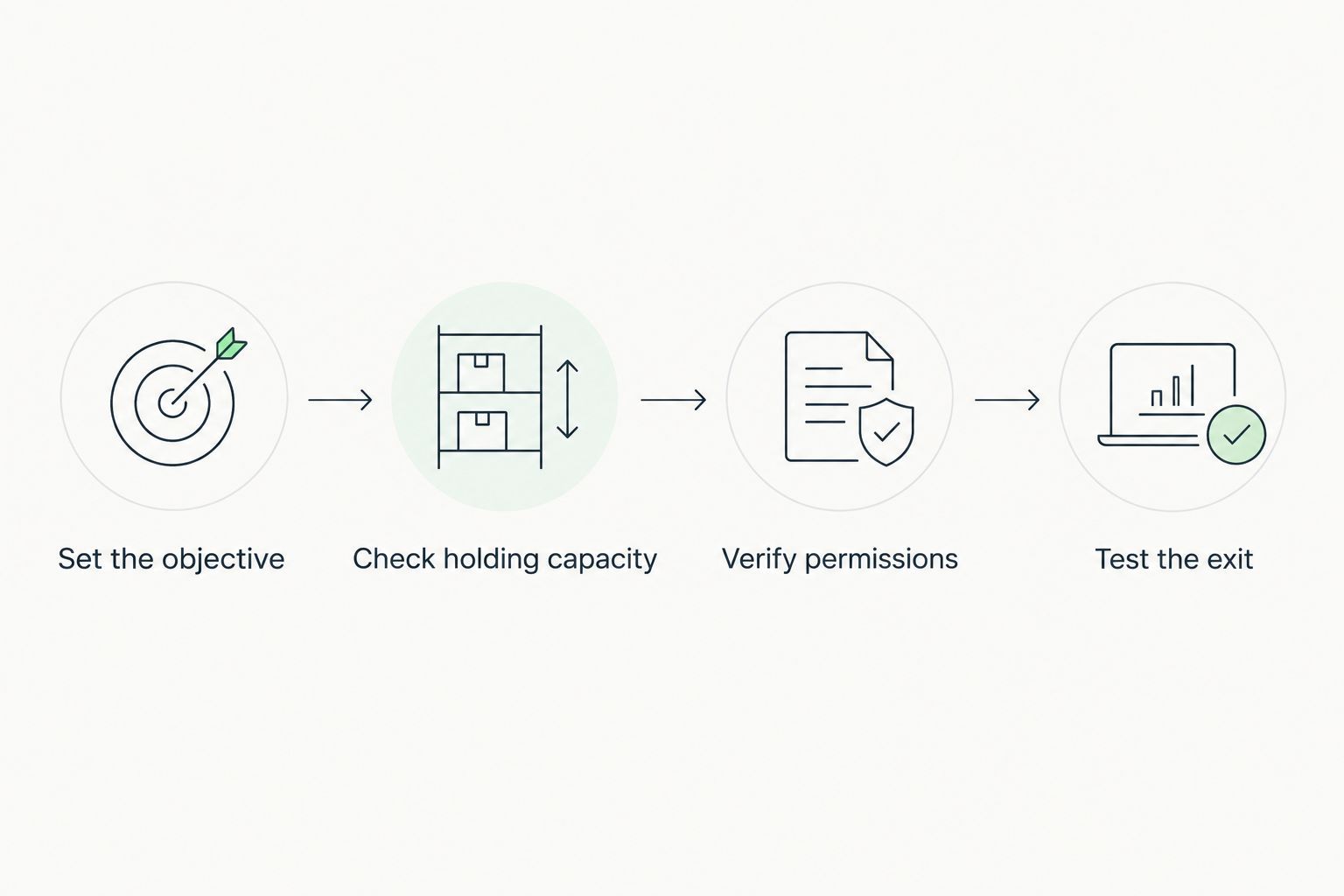
Use this sequence before committing:
- Set the objective: Decide whether income, long-term ownership or an improvement project takes priority.
- Check holding capacity: Establish the expenses and interruptions you can absorb.
- Verify permissions: Confirm every use or project assumption that requires approval.
- Test the exit: Assess how you would retain, lease or sell if circumstances change.
For your 2026 shortlist, keep existing rental evidence separate from projected improvements. Ask Axiom Realty about the acquisition or management support relevant to your chosen strategy, and seek qualified legal, finance and tax advice for those decisions.
Discuss your Adelaide investment strategy
Ask about investment advisory, buyer’s advocacy or property management for your South Australian property.
FAQ
What’s the best property investment strategy for Adelaide investors?
Long-term buy-and-hold is the best default for Adelaide investors seeking a conventional rental asset rather than a construction project. Choose it only when the property’s expenses and vacancy exposure fit your holding capacity.
Is rental income more important than capital growth?
Rental income and capital growth serve different purposes. Rent contributes to holding expenses, while capital growth remains uncertain; do not use assumed appreciation to repair an unsustainable operating budget.
Is an Adelaide apartment better than a house for investment?
An apartment is better suited to investors who accept shared building governance; a house suits investors who want to avoid that ownership structure. Compare the exact properties and their full expenses rather than treating either category as automatically better.
Can I rent out a granny flat separately in Adelaide?
Separate letting depends on the property’s approvals and applicable requirements. Confirm the lawful use with a qualified adviser before treating additional accommodation as a separate rental income stream.
How do I calculate a property’s rental yield?
Gross rental yield is annual gross rent divided by the purchase amount, multiplied by 100. Gross yield excludes operating expenses and financing, so assess net income and holding cash flow separately.
Is short-term rental investment better than long-term leasing?
Short-term rental investment suits investors willing to operate guest accommodation; long-term leasing suits a conventional tenancy model. Compare occupancy, management, cleaning, insurance and permissions before deciding.
How can Axiom Realty help Adelaide property investors?
Axiom Realty offers investment advisory, buyer’s advocacy, property sales and property management across South Australia. Match the service to your acquisition or ownership needs rather than assuming one service covers every professional decision.
One last thing
Your fallback should be a workable plan, not a sentence in the spreadsheet. Before buying, describe what you will do if the renovation stalls, separate letting is unavailable or guest bookings disappoint. If that answer requires an immediate sale, reconsider whether the property fits your holding capacity.