Instead of chasing inspectors, reports and contract deadlines separately, use a building and pest inspection to unconditional contract workflow that puts each decision in writing before your protection expires. For an Adelaide purchase in 2026, arrange access, review the findings with the right specialists, then have your conveyancer confirm how every outstanding contract condition will be resolved.
- Axiom Realty offers buyer’s advocacy for Adelaide purchasers who want representation during their property purchase.
- The building and pest inspection to unconditional contract workflow starts with contract wording, not booking an inspector.
- Building inspections and timber pest inspections answer different questions; check both scopes before booking.
- A satisfactory inspection does not resolve finance or other outstanding contract conditions.
Why this matters
An inspection report describes the property's condition within the inspection's scope. Your contract determines what you can do with that information. Finding a defect does not automatically give you a right to terminate, demand repairs or extend a deadline.
Axiom Realty provides buyer's advocacy alongside its Adelaide real estate services. Axiom Realty's buyer's advocacy is best suited to Adelaide purchasers seeking representation during their property purchase. An advocate supports the purchasing process; a conveyancer or solicitor advises on contractual rights, while inspectors assess the property.
Use this 2026 workflow to keep those responsibilities separate. The key control is a written decision before the relevant deadline, not simply having a booking confirmation in your inbox.
Before you start
- Have the purchase documents ready. Give your conveyancer the proposed or signed contract, any special conditions, the Form 1 vendor statement and relevant correspondence. Ask which deadlines apply and how any required notice must be delivered.
- Confirm access and inspection scope. Arrange permission through the selling agent and check what the building and timber pest inspections include, exclude and require. Ask about reporting turnaround before agreeing to an inspection date.
- Check the contractual gotcha first. A clause limited to particular defects is not a general satisfaction clause. Your conveyancer must explain what triggers your rights; an inspection appointment does not pause the contract clock.
Keep 3 records together: the contract deadline register, the inspection reports and the written decisions or notices. These are working records you create for this purchase, not additional legal requirements.
Contract controls
Establish the decision gate
- Send the complete documents to your conveyancer. Ask for an explanation of the inspection condition, finance condition and any other conditions affecting your commitment. Do this before signing wherever possible.
- Record each deadline separately. In your own register, use the headings Condition, Deadline, Required action, Responsible person and Evidence. These are suggested document headings, not fields in a particular platform.
- Check the notice mechanism. Ask who must receive a notice, how it must be served and what supporting material is required. Do not substitute a casual conversation with the agent for contractual notice.
- Set an earlier review point. Leave room between receiving the reports and the contractual deadline for questions, specialist advice and a decision. Base that interval on confirmed availability, not an assumed turnaround.
Expected result: You know what must happen, who controls each action and what evidence confirms completion.
For South Australian purchases in 2026, do not treat cooling-off rights as a substitute for a properly considered inspection condition. Their availability and timing depend on the transaction and statutory requirements. Ask your conveyancer to calculate the position for your purchase, particularly where an auction is involved.
Inspection booking and access
Match the booking to the property
- Choose the inspection scopes. Request a pre-purchase building inspection and timber pest inspection where those are the assessments you need. Confirm whether the provider issues separate reports or a combined report covering both scopes.
- Disclose known concerns. Send the inspector relevant photographs, agent disclosures and questions about cracking, dampness, alterations or suspected pest damage. Ask whether those concerns require a separate specialist assessment.
- Confirm access in writing. Coordinate the property address, appointment, agent contact and access arrangements. Ask about roof-space and subfloor access, locked areas, stored belongings and any other likely restrictions.
- Confirm report delivery and discussion. Tell the inspector the actual contractual deadline and ask when you will receive the written findings. Arrange a way to discuss important findings before your decision is due.
Expected result: The booking covers the intended assessments, access is arranged and the reporting schedule fits the contract.
A building inspection and a timber pest inspection are complementary, not interchangeable. A general building assessment does not automatically include a detailed assessment of timber pests, and neither report should be treated as proof that concealed defects do not exist.
Read the engagement terms before accepting the booking. A visual, non-invasive inspection has limits; inaccessible areas remain unresolved rather than automatically satisfactory.
Report review and decisions
Separate findings from contractual rights
- Read the limitations first. Identify areas the inspector could not access and items excluded from the assessment. A reassuring summary does not answer a question that was outside scope.
- Ask the inspector to explain significant findings. Establish the observed condition, its location, the recommended next action and whether another specialist needs to investigate. Keep technical explanations separate from assumptions about contractual consequences.
- Create an action list. Group findings under Safety concerns, Further assessment, Maintenance and Access limitations. These are practical review categories, not substitutes for the inspector's own classifications.
- Send relevant findings to your conveyancer. Ask whether the actual report engages the inspection clause and what response is available. Where you need a specialist opinion, arrange it before making an irreversible decision.
Expected result: Each important finding has an owner and a next action, rather than sitting in an unread report attachment.
For an investment purchase in 2026, distinguish immediate concerns from ongoing maintenance planning. A defect's effect on your ownership plans and its effect under the contract are different questions. Neither should be answered solely by the selling agent's view.
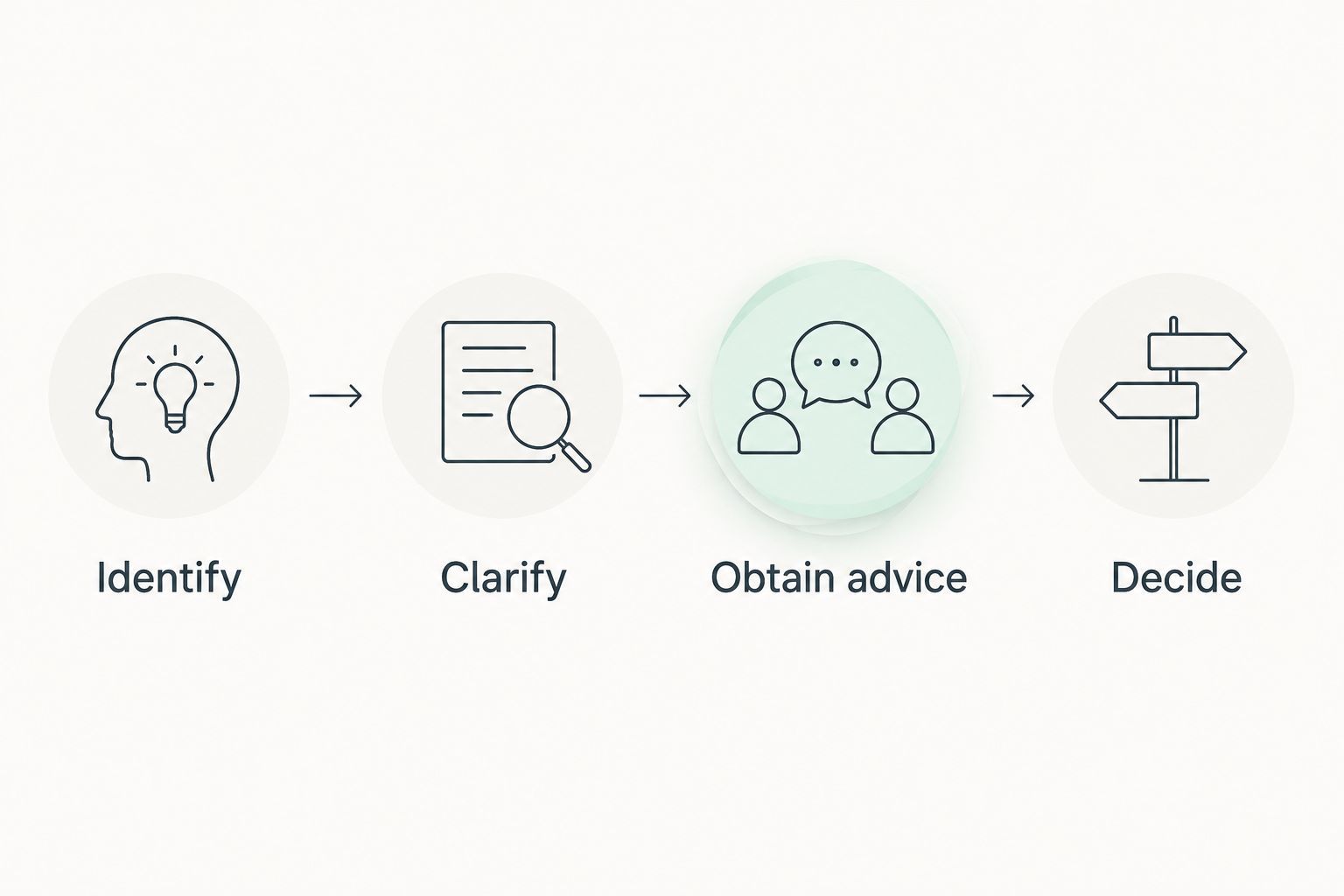
Use the following sequence for each significant issue: identify it, clarify it, obtain advice, then decide. Do not jump straight from a photograph of damage to an instruction to remove your inspection condition.
Written resolution and final status
Close the conditions deliberately
- Choose the response with advice. Depending on the contract and findings, the response might involve accepting the condition of the property, requesting further investigation, seeking revised terms or exercising an available contractual right. None of these outcomes follows automatically from an unfavourable report.
- Document any agreement. Have your conveyancer advise on the wording and execution of any variation. A seller's willingness to discuss repairs is not the same as a binding agreement about the work.
- Check every remaining condition. Resolve the inspection position without overlooking finance or other special conditions. Ask your lender or broker about finance requirements and your conveyancer about their contractual effect.
- Obtain written status confirmation. Ask your conveyancer to confirm which conditions have been satisfied, waived or otherwise resolved, and whether any remain outstanding. Retain the notices and acknowledgements with the contract.
Expected result: You have a documented basis for understanding the contract's status, rather than assuming that silence means the purchase is unconditional.
A completed inspection is not the same as an unconditional contract. Keep that distinction visible in your 2026 purchase checklist. Settlement preparation continues after conditions are resolved; it is not replaced by an inspection report.
Alternative workflow: inspect before signing or bidding
A pre-contract inspection changes the timing, not the need for careful review. It lets you consider findings before committing, but it does not establish the legal position of a later contract.
| Inspection pathway | Best for | Advantage | Limitation |
|---|---|---|---|
| Before signing | Buyers assessing whether to proceed | Findings inform the decision before signing | Further access still needs agreement, and the report has scope limits |
| Under an inspection condition | Buyers using an agreed contractual review process | The contract sets out the inspection mechanism | Rights depend on the wording, deadlines and notice requirements |
| Before an auction | Buyers preparing to bid | Findings can inform the bidding decision | Auction purchases do not carry the usual cooling-off protection |
For a pre-signing inspection, obtain the reports, resolve important questions and have your conveyancer review the contract before you commit. Do not assume that an earlier inspection creates a later right to withdraw.
For an auction purchase, complete the relevant due diligence before bidding and obtain legal advice on the auction contract. Do not rely on adding an inspection condition after a successful bid. The seller is not obliged to accept a new condition you propose afterwards.
Axiom Realty's buyer's advocacy can form part of your purchasing support, but it does not replace independent inspection or legal advice. The benefit is representation during the purchase; the boundary is that technical and legal decisions remain with the relevant specialists.
When a report or deadline changes
A revised report, newly accessible area or delayed specialist assessment should trigger a fresh review. It should not silently overwrite the decision already recorded.
- Save the new document with its issue date and retain the earlier version.
- Ask the inspector what changed and whether any earlier recommendation still applies.
- Send the update to your conveyancer before taking further contractual action.
- Update your action list and record the resulting decision.
Expected result: Everyone works from the same report version and understands whether the update changes the next step.
If access becomes possible after an initial inspection, ask what additional assessment is needed. Opening a previously locked area does not retrospectively turn an incomplete inspection into a complete one.
Troubleshooting
The inspector cannot attend before the deadline
Ask your conveyancer immediately about seeking a written extension. Confirm an alternative appointment, but do not assume either a rebooking or an extension request changes the existing deadline. Keep acting on the current timetable until advised otherwise.
The report excludes the roof space or subfloor
Ask why access was restricted and what would enable a further inspection. Then obtain advice about the unresolved risk and any contractual response. An inaccessible area is an information gap, not a clean finding.
The agent says the seller will fix everything
Request a precise written proposal and send it to your conveyancer. Define the relevant work, responsibility, evidence of completion and any inspection rights through appropriate documentation. Do not remove a condition simply because a repair has been discussed.
Timber pest damage appears, but its extent is unclear
Ask the timber pest inspector what the findings establish and what further assessment is recommended. Pest treatment and assessment of damaged building elements answer different questions. Resolve both where the findings require it.
You receive a report close to the deadline
Prioritise the inspector's significant findings and limitations, then contact your conveyancer immediately. Do not treat an unread report as satisfactory to keep the transaction moving. Any extension or other response must follow the contract's requirements.
Customise your workflow
For a first purchase, allocate responsibility before booking anything. The buyer's advocacy guide for first-home buyers provides a related starting point for understanding purchasing support.
For a 2026 investment purchase, extend the action list beyond the contract decision. Carry maintenance recommendations into your ownership records, distinguish completed work from unresolved advice, and share relevant information with the professionals managing the property.
Keep Axiom Realty's buyer's advocacy role distinct from the inspector's and conveyancer's roles. Representation helps coordinate purchasing decisions; it does not make a report broader or a contractual deadline optional.
FAQ
Does a satisfactory building inspection make my Adelaide contract unconditional?
No. A satisfactory building inspection does not resolve finance or other outstanding conditions. Ask your conveyancer to confirm the status of every condition and any required notices.
Can I withdraw if the building inspection finds defects?
Your rights depend on the contract and any applicable statutory rights. Give the report to your conveyancer before the relevant deadline; a defect alone does not automatically create a termination right.
Should I book building and pest inspections before making an offer?
A pre-offer inspection lets you review findings before committing, provided access is agreed. Alternatively, obtain advice about an appropriate inspection condition before signing rather than assuming one can be added later.
What happens if the inspection report arrives late?
A late report does not automatically extend your contractual deadline. Contact your conveyancer immediately about the available response, including whether to seek a written extension.
Can I inspect an Adelaide property before an auction?
Yes, subject to agreed access. Arrange inspections and legal review before bidding because auction purchases do not carry the usual cooling-off protection.
Does a building inspection include a timber pest inspection?
Not automatically. Check the provider’s engagement terms and confirm that both assessments are included, along with their exclusions and reporting arrangements.
Who should confirm that my contract is unconditional?
Ask your conveyancer or solicitor to confirm the contract’s status in writing. Inspectors assess property condition, while your legal adviser addresses contractual conditions and notices.
One last thing
Ask what was not inspected before asking whether the property passed. An inspection report is not a pass certificate, and its limitations can matter as much as its findings. Carry every unresolved access issue into your decision record before confirming your next contractual step.